This is Test Article Title in the Resorces Section
14 November 2025

In the intricate world of design, one of the most important aspects of a successful project is clear and seamless communication.
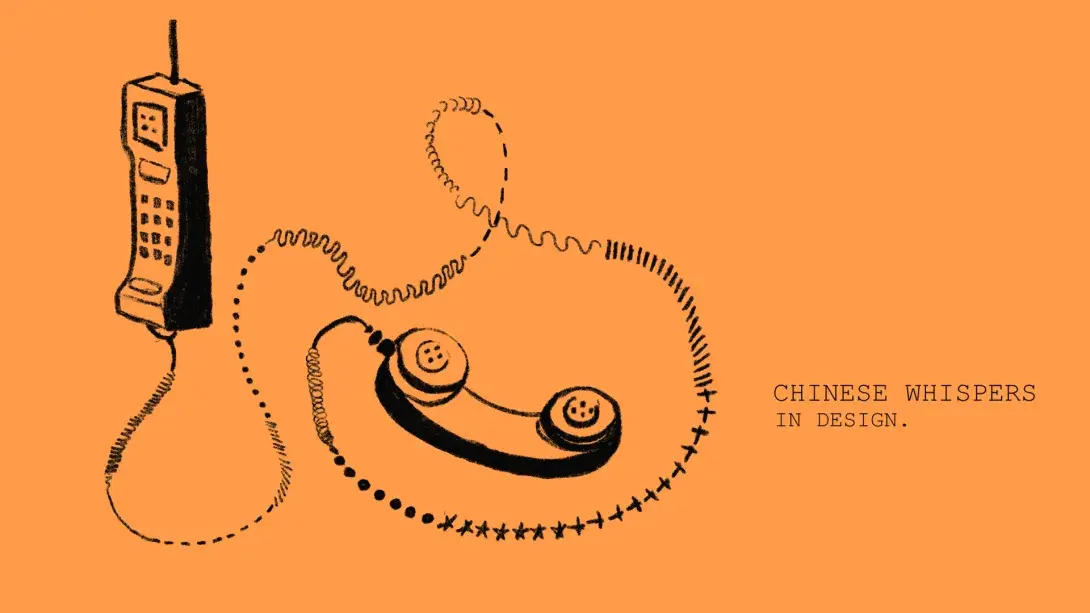
However, as ideas travel through the many hands involved - from designers to engineers, contractors, fabricators, and end users- they often lose their original intent. This phenomenon, akin to the childhood game of "Chinese whispers," sees design instructions and drawings morph subtly or drastically at each stage, leading to unintended outcomes. What begins as a clear, precise vision can be misinterpreted through the layers of translation, resulting in costly delays and compromised aesthetics.
There are two key contributors to this phenomenon that can occur in almost every project - Firstly, the inevitable simplification of design drawings and details for different stakeholders and secondly, the stakeholders’ interpretation of the idea based off their knowledge, convenience, and experience. Designers often find themselves in the conundrum of translating their intricate, poetic visions into something that the manufacturers and installers can build without having to scratch their heads. The problem? Sometimes, in the name of "simplification," things get watered down, and before you know it, your masterpiece turns into something unrecognizable. Although this is necessary to ensure practicality and ease of execution, oversimplification can result in critical details being overlooked.
Similarly, in Product Design, let's say you specify a custom, high-end material finish for a key component. But somewhere in the process, someone squints at a kind-of-similar alternative that is cheaper and more convenient and thinks, ‘Ehhh, close enough!’ only for that "almost-the-same" material to ruin the whole assembly. It’s like ordering a hand-tossed pizza with exquisite toppings and getting a frozen microwave version with chewy pepperoni instead.
Similarly, in Product Design, let's say you specify a custom, high-end material finish for a key component. But somewhere in the process, someone squints at a kind-of-similar alternative that is cheaper and more convenient and thinks, ‘Ehhh, close enough!’ only for that "almost-the-same" material to ruin the whole assembly. It’s like ordering a hand-tossed pizza with exquisite toppings and getting a frozen microwave version with chewy pepperoni instead.
The consequences of these misinterpretations ripple through the project’s lifecycle. Errors that arise due to miscommunication often lead to costly revisions and delays. For instance, HVAC systems installed based on miscommunicated, rushed drawings may interfere with aesthetic elements down the lane, which either require expensive on-site modifications or ‘jugaads’ as one calls them in the Indian industry. In the world of design, it can be said that a studio’s success majorly depends on maintaining the originality of ideas from concept to completion, without it turning into a tragic game of ‘Chinese whispers'. Because let’s be honest, no one wants their ‘Adidas’ to turn into ‘Abibas’ or worse, ‘Nike’ into ‘Naik’.
- Details absolutely matter.
The solution? In our vast experience of six months, we do not have a straightforward solution. But here are some observations that can potentially work. One cannot go wrong with crystal-clear communication. Following a hierarchy and using a single, solitary platform to communicate and share files, drawings, updates etc. Without proper documentation and communication, even the best designs can end up as chaotic subpar mock-ups. To dodge that bullet, detailed, well-annotated drawings are a must, think of them as the designer’s version of a cheque, where a slight mistake in the digits, can bankrupt you for a month (not that we freshers aren’t already).
Using accurate vendor terminology for materials is an absolute must. If you call it “metal” and don’t specify what kind? Don’t be surprised when the final product looks like an aluminium foil finish when you wanted stainless steel finish (speaking from personal experience). Want to go the extra mile? Digital simulations can be a game-changer, helping bridge the gap between vision and execution. Churning out quick renders with adequate details is a piece of cake, considering the leaps certain software are making lately.
When done right, these steps won’t just protect the integrity of the design, they would also save time, eliminate unnecessary costs, and keep all the stakeholders happily on board. In the end, a well-executed design isn’t just a win for the studio, it’s a victory for everyone involved.